Landscape Maintenance Tips for Better Mulching and Plant Protection
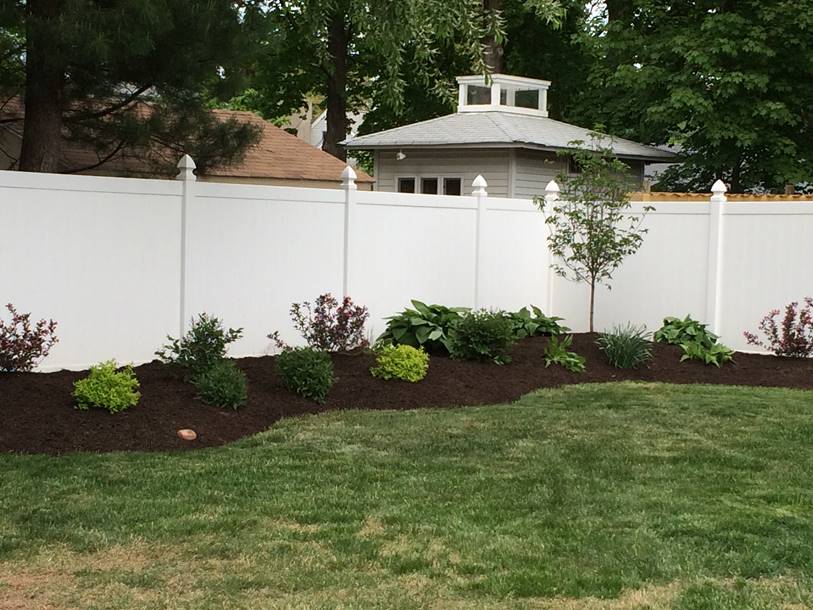
Good landscape maintenance is rarely about one dramatic intervention. More often, it comes down to steady, well-timed work that protects soil, moderates stress on plants, and prevents small problems from becoming expensive ones. Mulch sits at the center of that effort. When it is chosen well and applied correctly, it helps with moisture retention, weed suppression, root insulation, and overall plant health. When it is handled poorly, it can hold too much moisture against bark, invite pests, suffocate roots, and leave beds looking tired within a single season.
That gap between helpful and harmful is narrower than many property owners realize. I have seen healthy planting beds decline simply because mulch was piled too high around the base of shrubs, refreshed too often without removing old layers, or spread before soil conditions were addressed. I have also seen average landscapes perform far better than expected because the mulch plan matched the site, the plants, and the season.
The practical side of landscape maintenance starts with understanding that mulch is not decoration first. It is a management tool. The color and texture matter, especially in visible front beds or commercial entries, but performance should drive the decision. Protecting plants means thinking below the surface, where roots compete for oxygen, water, and stable temperatures. Mulch affects every one of those conditions.
What mulch is really doing in the landscape
Most people notice mulch for its appearance, but its real value lies in the microclimate it creates at the soil line. Bare soil heats up quickly, dries unevenly, crusts after rain, and gives weed seeds easy access to light. A good mulch layer slows those swings. In summer, it reduces evaporation and keeps root zones cooler. In winter, it buffers rapid freeze and thaw cycles that can heave shallow roots and stress newer plantings.
This matters most in the first two or three years after installation. New trees and shrubs do not have the root spread or resilience of established plants. Their success depends heavily on stable moisture. A proper mulch ring can mean fewer watering problems and less transplant shock. In practice, that often translates into stronger growth, fewer scorched leaves, and better flowering or leaf retention during hot stretches.
There is also a soil-building benefit, especially with organic mulches such as shredded bark, wood chips, pine bark, or leaf mold. Over time, these materials break down and contribute organic matter. That improves soil structure, which is especially useful in compacted suburban lots and around newer construction where topsoil has often been stripped or disturbed. Better structure means better infiltration, less runoff, and more room for roots to expand.
Still, mulch is not a cure-all. If drainage is poor, irrigation is excessive, or plants are poorly matched to the site, mulch alone will not save them. Good landscape maintenance treats mulch as part of a broader system.
Choosing the right mulch for the site
Not all mulch behaves the same way. Texture, particle size, decomposition rate, and source material all influence performance. Fine shredded hardwood tends to knit together well on slopes, which helps reduce washouts, but it can also form a dense mat if applied too thickly. Coarser bark nuggets allow more air movement, but they may drift or scatter more easily in heavy rain or high wind. Wood chips work well around trees and naturalized areas, especially where a more informal look fits the design. Pine straw can be effective in certain regions and under acid-loving plants, though it may need more frequent touch-ups.
Dyed mulch is mostly an aesthetic choice, but the underlying material still matters. Black and brown products often give a clean, finished look, especially in formal beds, yet they vary widely in quality. Some break down well. Others are made from mixed wood waste and do little for soil over time. If the mulch has a sharp chemical odor or contains visible debris, I would avoid it. A good product should smell earthy, not sour or industrial.
Stone and gravel deserve a separate mention because they are often grouped with mulch, even though they function differently. In some settings, such as around certain xeric plantings, drainage swales, or modern architectural beds, they make sense. Around most shrubs, foundation plantings, and young trees, they can create more heat stress than people expect. Rocks absorb and radiate heat, they do not contribute organic matter, and they make later soil improvement more difficult. They also tend to migrate into turf and become a long-term maintenance nuisance. For many landscapes, organic mulch remains the better all-around choice for plant protection.
The right depth changes everything
If there is one detail that separates effective mulching from harmful mulching, it is depth. Too thin, and weeds push through quickly while moisture escapes almost as fast as it would from bare soil. Too thick, and the root zone can stay overly damp while air exchange drops. In most ornamental beds, a finished depth of about 2 to 3 inches works well. On heavier clay soils, staying closer to 2 inches is often safer. On sandy soils or in hotter exposures, 3 inches may offer better protection.
That recommendation sounds simple until you look at what happens on real properties. Many beds already have old mulch in place. Every year another layer is added, and after three or four seasons the actual buildup may be 5 or 6 inches or more. This is common around commercial buildings and homeowners association entrances, where appearance gets refreshed on schedule but the bed profile is rarely checked. Eventually, the crown of perennials disappears, shallow feeder roots rise into the mulch layer, and shrubs begin to struggle.
The fix is not complicated, but it does require a little discipline. Before refreshing mulch, pull back a section and look at the true depth from the soil surface up. If old material has accumulated excessively, remove some rather than adding more on top. The goal is renewal, not burial.
The area around trunks and stems deserves even more care. Mulch should never be packed against tree bark or heaped around the base of shrubs. The familiar volcano shape looks tidy to some people, but it is one of the most damaging habits in landscape maintenance. Bark at the root flare is not meant to stay moist and covered. Constant contact with wet mulch can encourage decay, stress the cambium, and create a favorable hiding place for rodents and insects. On trees, the root flare should remain visible. Think donut, not volcano.
Timing mulch with the season, not just the calendar
Spring is the most common mulching season, largely because winter debris has been cleaned up and people want the landscape to look finished. That timing is fine, but it should not be automatic. Applying mulch to cold, saturated soil too early can slow warming and keep beds wetter than desirable. In a cool spring, waiting https://jaredwxdv563.rivetgarden.com/posts/commercial-landscape-maintenance-tips-for-professional-grounds until the soil has begun to warm slightly can help ornamental plants and perennials break dormancy more evenly.
Summer touch-ups make sense in high-visibility beds where thin spots have appeared, but this should be selective. A light refresh in worn areas is very different from spreading a full new layer over everything. During hot weather, extra thickness can trap too much moisture around some plants, especially where irrigation is frequent.
Fall mulching is often underused, even though it can be one of the best times for plant protection. A properly applied layer in autumn helps buffer winter temperature swings and protects roots going into dormancy. This is particularly valuable for newly planted trees, broadleaf evergreens, and marginally hardy shrubs. The key is to apply it after summer heat has broken but before the ground freezes.
Seasonal judgment matters more than a standing annual date. I have worked on properties where the same crew mulched every April, rain or shine, regardless of how wet the beds were. On some years, that schedule did more harm than good. Good practice starts with the conditions in front of you.
Preparing beds before mulch goes down
Mulch should not be used to hide problems that ought to be corrected first. Weeds, compacted soil, poor grading, circling roots in container stock, and clogged drip emitters all need attention before a fresh layer is applied. Otherwise, the bed may look improved for a few weeks while the underlying stress continues.
A clean prep usually involves weeding thoroughly, edging if needed, and checking that the soil surface still drains properly away from structures and crowns. Where crusting or compaction is severe, careful loosening at the surface can help, though it should be done without damaging existing roots. Around established shrubs and trees, aggressive cultivation is rarely worth the risk. In those cases, topdressing with compost before mulching can support gradual improvement with less disturbance.
This is also the right time to inspect plants closely. If leaves show scorch, chlorosis, dieback, or chewing damage, do not assume mulch alone will correct the issue. Yellowing may point to drainage or nutrient problems. Wilting may reflect irrigation inconsistency, root injury, or stem girdling. Borer holes at the base of a stressed shrub will not disappear under a neat mulch blanket. Landscape maintenance works best when appearance and diagnosis happen together.
Watering and mulch have to work as a pair
Mulch changes how water moves into and out of the soil. That is one of its strengths, but it means irrigation habits should adjust as well. A mulched bed often stays moist longer than a bare one, so watering by routine rather than need can become a problem. This is especially true with drip systems that run on fixed schedules. I have seen root rot in otherwise well-designed beds because the mulch reduced evaporation while irrigation never changed.
The better approach is to water deeply and less often, then check the soil beneath the mulch before watering again. Surface appearance can be misleading. The top of the mulch may look dry while the soil below is still adequately moist. A simple hand check a few inches down tells you more than the bed’s color from the sidewalk.
For new plantings, mulch helps stretch irrigation intervals, but it does not replace watering. A newly planted tree surrounded by perfect mulch can still fail if the root ball dries out repeatedly. On the other hand, a bed with moderate mulch and consistent deep watering often performs very well even through midsummer heat.
One practical rule is to keep irrigation emitters a short distance from trunks and crowns rather than aimed directly at them. This encourages roots to expand outward and reduces constant moisture at the stem base. Plant protection often comes down to these small placement decisions.
Mulch and weed control, where expectations go wrong
Mulch suppresses weeds, but it does not make them disappear. That misconception leads to frustration and overapplication. Weed seeds still arrive by wind, birds, foot traffic, and contaminated topsoil. Given enough time, they germinate in the upper mulch layer itself. If the bed is neglected, even a thick layer can become a seedbed.
The real advantage of mulch is that weeds are fewer, weaker, and easier to pull when they do emerge. A thin flush of new weeds after rain does not mean the mulch failed. It means the bed still needs regular attention. On managed properties, a quick pass every week or two prevents small weed problems from becoming a restoration job by midsummer.
Landscape fabric is often suggested as the answer, but in ornamental beds it rarely performs as promised over the long term. Organic debris accumulates on top, weed seeds germinate there, and eventually roots from desirable plants become entangled in the fabric. When repair or redesign is needed, removal is tedious. In most planted beds, proper mulch depth and consistent hand maintenance are the cleaner strategy.
Protecting specific plant types
Different plants benefit from different mulching habits. Young trees need broad mulch rings more than deep mulch. A wider ring reduces competition from turf, which is often more important than adding extra thickness. Grass roots are efficient competitors for shallow moisture. Removing that competition can improve establishment noticeably in the first few years.
Shrubs benefit from even coverage across the bed, but the mulch should taper slightly near the base rather than mound up. Dense evergreen shrubs are particularly vulnerable to poor airflow at the crown if mulch is piled against them. Perennials need an even lighter touch. Their crowns should remain visible, and in many cases the previous year’s decayed mulch should be thinned before spring growth starts.
Vegetable gardens and edible beds follow different rules depending on the crop. Straw, leaf mulch, or untreated composted material often works better than decorative bark products. Heat-loving plants may appreciate exposed soil early in the season, with mulch added after the ground has warmed. Here again, timing matters as much as material.
Common mistakes that create expensive problems
Some mulch errors are obvious right away. Others show up a year or two later, when the cause is less easy to connect to the symptom. These are the ones worth watching most closely:
- Building mulch against trunks, stems, or graft unions.
- Adding fresh layers every year without checking accumulated depth.
- Using one mulch type everywhere without considering drainage, slope, and plant needs.
- Treating mulch as a substitute for watering, weeding, and plant inspection.
- Refreshing appearance while ignoring compaction, poor grading, or irrigation faults underneath.
Each of these mistakes is common because it begins with a reasonable intention. People want cleaner beds, fewer weeds, and less maintenance. The trouble starts when mulch is expected to do jobs it cannot do, or when visual neatness overrides plant biology.
How much mulch is enough, and how often should it be replaced?
There is no perfect universal schedule. High-traffic or highly visible beds may need touch-ups once or twice a year because weather, foot traffic, and irrigation move material around. More sheltered areas may hold up well for a full year or longer. The right question is not how often mulch should be replaced, but when it has thinned, decomposed, or shifted enough to stop doing its job.
A mature bed often needs less fresh material than owners assume. If the remaining mulch is still around 2 inches deep and breaking down evenly, a light top-up may be all that is needed. Dumping another full layer across the surface adds cost without adding benefit. On larger properties, measuring a few representative areas before ordering material can prevent significant overbuying.
Cost control is part of plant protection too. When budgets are tight, I would rather see mulch applied correctly in priority zones, around young trees, foundation shrubs, and exposed beds, than spread too thinly across every corner of a property. Strategic coverage protects the plants that have the most to lose.
A field-tested routine for healthier beds
For most residential and light commercial landscapes, a reliable routine looks like this:
- Inspect beds at the change of season, checking mulch depth, plant crowns, drainage, and signs of pests or disease.
- Weed and clean first, then correct irrigation or grading issues before any new mulch is added.
- Maintain an organic mulch layer of roughly 2 to 3 inches, adjusting lower on heavy soils and keeping all trunks and stems clear.
- Water according to soil moisture beneath the mulch, not by appearance from the surface.
- Refresh selectively, not automatically, based on performance and breakdown.
That routine is not complicated, but it is disciplined. It favors observation over habit. In landscape maintenance, that is often the difference between a bed that merely looks serviced and one that actually supports healthy growth.
The visual payoff follows the horticulture
The interesting thing about proper mulching is that the landscape usually looks better when the horticulture is right. Beds with visible root flares, even mulch depth, fewer weeds, and plants that are not stressed have a natural order to them. The appearance feels cleaner because the plants are carrying themselves properly. Leaves are fuller, edges are less scorched, and soil splash is reduced after rain. That is a more durable kind of curb appeal than a dark, freshly dyed layer hiding stressed roots underneath.
Plant protection is often discussed as if it depends on products, treatments, or emergency interventions. More often, it depends on the quiet basics done well. Mulch is one of those basics. Used thoughtfully, it reduces stress before stress becomes visible. It buys time during heat, cushions roots in cold, and improves the soil slowly in ways that pay off year after year.
For anyone responsible for Landscape Maintenance, that is the standard worth aiming for. Not just tidy beds for the weekend, but healthier root zones for the long haul. When mulch is chosen carefully, applied at the right depth, kept away from trunks, and paired with sound watering and inspection, it becomes one of the most effective forms of plant protection in the landscape.
Majestic Mowing & Landscaping LLC
Phone number: +19733975532
FAQ About Landscape Maintenance
What is landscape maintenance?
Landscape maintenance is the ongoing care, cleaning, and upkeep of outdoor green spaces to keep them healthy, safe, and attractive.
Is $100 an hour too much for landscape work?
An hourly rate of $100 is not too much for specialized or professional landscape work, though it sits at the higher end of the standard pricing spectrum.
How much do landscapers charge for maintenance?
For professional landscaping maintenance, homeowners typically pay $100 to $410 per month for recurring services, or an hourly labor rate of $50 to $100 per hour per crew member.